We Are Not AV Guys. We Are Technology Architects.
There is nothing wrong with being an AV guy.
In the commercial and events world, the term often describes somebody who is technically brilliant, understands complex systems and can make almost anything work. Performance is critical, projects are often larger in scale, and cost and technical delivery tend to lead the conversation.
The luxury residential market is different.
A beautiful home cannot be treated like an event space or commercial installation. It is not enough for the technology to work. It has to belong within the architecture, complement the interior and avoid competing with the natural landscape around it.
That is why we describe ourselves as technology architects.
The term was introduced to me by my friend and entrepreneur Wim De Vos, founder of Genesis Home Technology Architects. It describes the role far more accurately than traditional AV terminology. Wim and Genesis have consistently promoted the idea that home technology should be human-centred and considered as part of the home itself, rather than treated as a collection of products.
A technology architect approaches the home from two directions.
We consider the technical performance the client expects, but we also consider the building, the interiors and the emotional quality of the space. Sometimes those priorities conflict. Our job is not to blindly favour one side. It is to understand both and help the client arrive at the right compromise.
There are many ways to build a smart home
There is an old saying that there is more than one way to skin a cat.
The same is true of smart homes, home cinemas, lighting systems and almost every piece of residential technology.
Most technical problems have several possible solutions. The easiest option may work. The cheapest option may also work. But neither is automatically the right option for a carefully designed home.
It is heartbreaking to enter an exceptional property and see white plastic fittings installed where premium metal finishes could have complemented the interior.
We see large speaker discs interrupting otherwise clean ceilings when plaster-in speakers could have almost completely disappeared.
We see televisions positioned without any consideration for the room when they are switched off. We see alarm keypads sitting beside oversized banks of light switches, thermostats and separate control panels.
We call this wall acne.
One device may be acceptable on its own. The problem appears when every contractor solves only their individual part of the project. The electrician installs one control. The alarm company adds another. Heating gets its own thermostat. The smart-home contractor installs a touchscreen.
Nobody steps back and considers what the wall will eventually look like.
Inspire is the ointment for wall acne.
That may sound tongue in cheek, but it illustrates a serious design issue. Technology should not become a visual record of how poorly the project team coordinated.
Clients are not just paying for another contractor
Many clients initially assume they are appointing another contractor.
They expect somebody to provide a quotation, install the equipment and make it work. In some cases, that is exactly what the project requires.
But a contractor is not always being paid to challenge the brief, suggest alternatives or protect the wider design.
That is where our approach differs.
Before recommending technology, we want to understand how the client and their family will live in the property.
Which rooms will they genuinely use?
How do they entertain?
Do they want technology to be visible, celebrated or almost entirely hidden?
How independent should children be when using televisions, music and other connected devices?
Which functions will improve daily life, and which will simply create more equipment to maintain?
A smart home should not begin with a product list. It should begin with the people living inside it.
The client may believe they are paying for speakers, screens, lighting controls and processors. In reality, they are also paying us to protect the architecture, the interior design, the performance of the system and the long-term experience of living with it.
Why Inspire is not the cheapest
We are not the cheapest smart-home company, and we are comfortable saying that.
My honest response when somebody tells me Inspire appears expensive is that we could probably be more expensive.
I have worked in some of the best homes in the UK and Europe, alongside exceptional designers, craftspeople and contractors. The lessons gathered from those people over many years are worth more than the fee we charge.
That experience has also allowed us to build a team capable of supporting clients properly.
The additional cost is not simply being spent on more expensive equipment. We invest heavily in design and project management because that is where many projects succeed or fail.
When enough time is allowed to design the system correctly, and an equal amount of care is applied to managing its delivery, very few things should come as a surprise.
The result is not just a better technical system. It is a better experience for the client and the wider project team.
Cheap projects often become expensive in less obvious ways.
Details are missed. Products are chosen before anybody understands how they will interact with the interior. Equipment is installed without considering future access or support. The contractor makes too little margin to provide proper aftercare and gradually loses the desire to look after the system.
A cheap smart home can become a very expensive frustration.
Design is where compromise should happen
We are currently designing a cinema room for a couple whose priorities initially appear to conflict.
One side of the conversation is:
I do not want a dark room with a huge white block covering the front wall.
The other is:
I love cinema and want the room to perform properly.
Neither person is wrong.
A technically led company could simply build the highest-performing room and expect the client to accept its appearance. A purely interiors-led approach could protect the look while compromising the cinema experience.
Our responsibility is to listen to both people, explore the available options and help them find the correct balance.
That process takes time.
Without it, the project could be built too quickly and one of the clients may regret the decision from the day it is completed.
Good compromise is not a failure of design. It is often the outcome of good design.
The failure happens when compromise is forced on a client after installation because nobody discussed the competing priorities at the beginning.
What aesthetically conscious technology actually means
Aesthetically conscious technology is not about making every product invisible.
It is about giving the client informed options and understanding what each option contributes to the room.
Take a television.
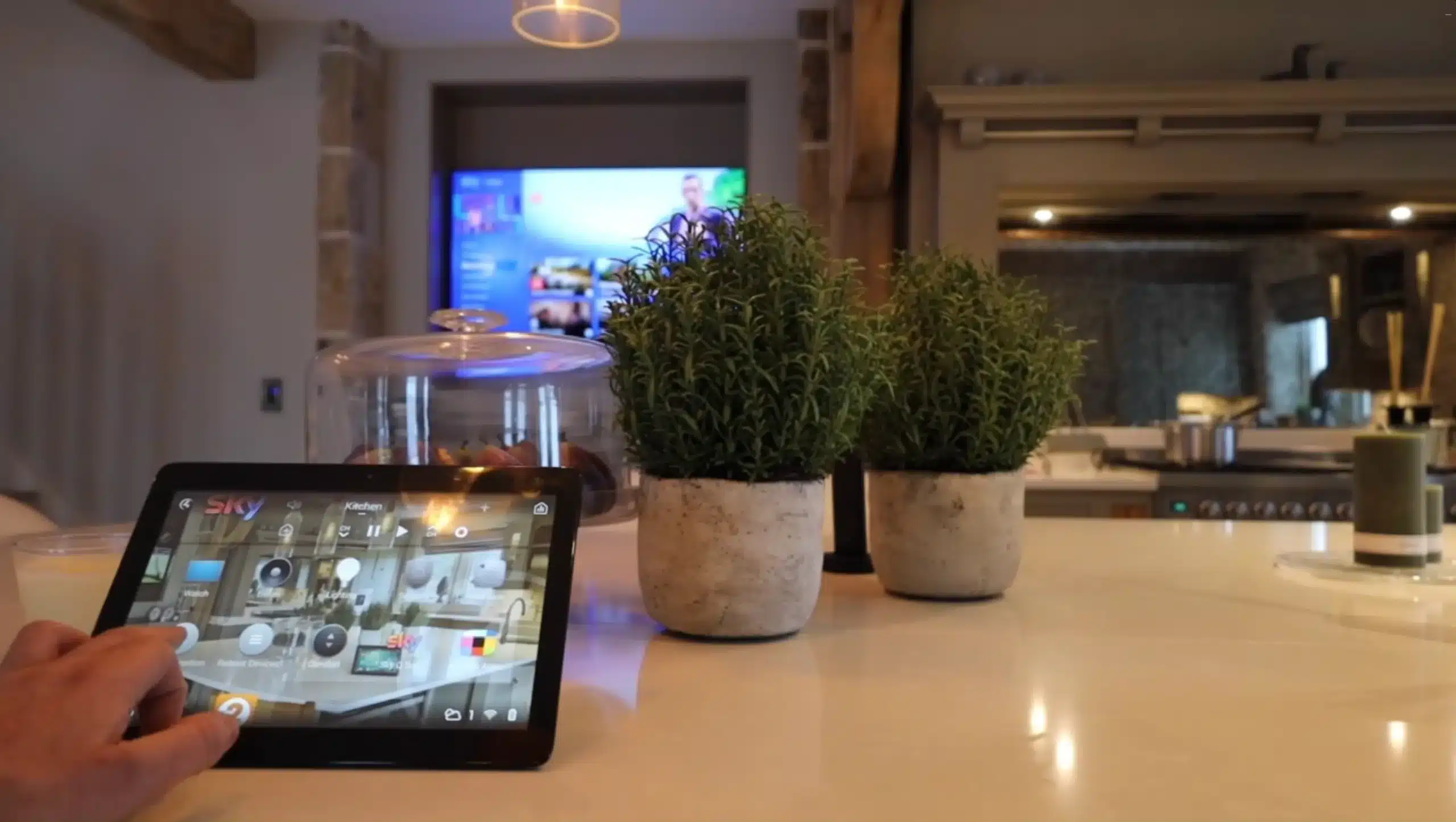
At the simplest level, it can be a large black rectangle attached to a wall. It provides entertainment when switched on, but what does it contribute to the room during the remaining hours of the day?
For a little more investment, the screen might display artwork when it is not being used.
With further design and coordination, it could rise from a piece of furniture, disappear behind joinery or become concealed behind a two-way mirror.
The client may not know those possibilities exist.
They should not have to. That is our job.
Technology architecture means understanding the full range of possible solutions and presenting those that are appropriate to the property, budget and client.
It does not mean specifying the most complicated option every time. Sometimes the right answer is the simplest one. The difference is that it has been selected deliberately rather than by default.
Lighting frames the entire project
Lighting is one of the areas I personally care most about.
It creates layers, reveals textures and changes how architecture is experienced. It can make materials feel richer, give depth to a room and influence how people feel within it.
It is also one of the areas that genuinely separates Inspire from many conventional smart-home businesses.
We do not simply provide smart lighting control.
We consider every lighting detail in the home and how it will interact with the people living there. That includes the fittings themselves, colour temperature, beam angles, dimming performance, architectural details and the scenes used at different times of day.
Smart control is only useful when the underlying lighting design is good.
Automating poor lighting does not turn it into good lighting. It simply makes poor lighting easier to switch on.
Our in-house lighting capability allows us to consider design and control as one conversation. The objective is not to fill a house with downlights or demonstrate how many scenes can be programmed.
It is to create lighting that feels natural, supports the architecture and genuinely improves daily life.
Our black book is part of the service
Technology does not exist independently from the rest of a luxury-home project.
It intersects with architecture, joinery, decoration, electrical work, lighting, mechanical services, landscaping and interior design.
Over the years, we have built a black book of designers, architects, craftspeople and contractors across the UK.
Need a top decorator in York, Leeds, Manchester or London? We probably know one, and more importantly, we have seen the standard of work they deliver.
The same applies across many other trades.
The value is not simply having a list of names. It is knowing who delivers what they promised, in a professional and thoughtful way.
That is the standard we use when recommending anybody to a client.
We also work closely with interior designers who use Inspire repeatedly because they know we will protect their design intent and provide their clients with a level of care they can trust.
On some projects, we become the connector between disciplines. Years spent working on sites mean we understand where communication usually breaks down and when the right person needs to be brought into the conversation.
A strong project team can completely change the outcome.
Performance still matters
Describing ourselves as technology architects does not mean technical performance becomes secondary.
It means performance is treated as the expected foundation, with aesthetics and experience added on top.
If a room looks incredible, its technology should perform at the same level.
There is very little more impressive than technology that is almost invisible until it is used, and then completely changes the experience of the space.
Speakers are a good example.
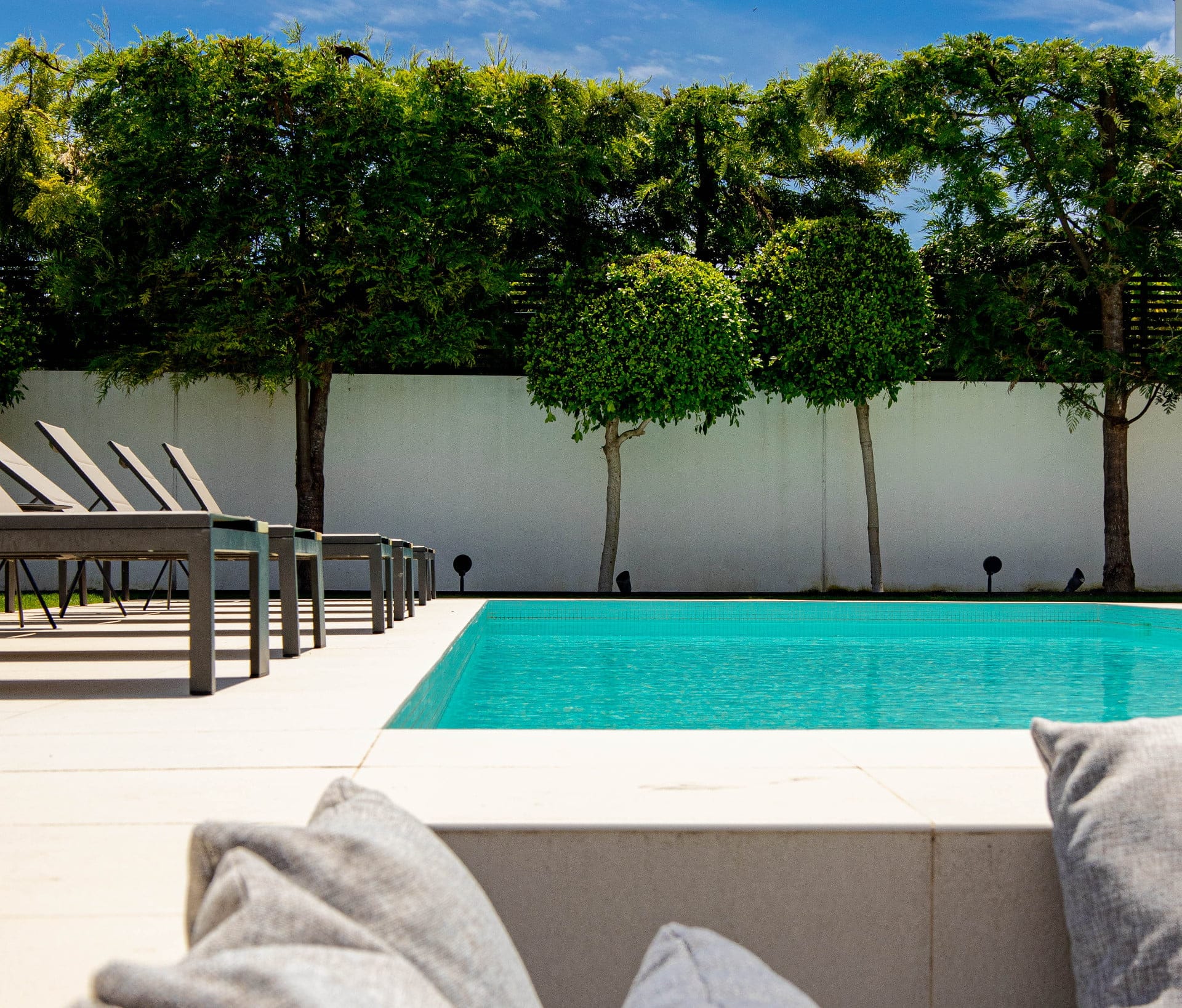
A carefully designed room may contain an audio system capable of extraordinary performance without obvious speaker boxes dominating the interior. That requires product knowledge, design, construction coordination and calibration.
The same principle applies to lighting, home cinema, networking and smart-home control.
A beautiful room with unreliable Wi-Fi is not well designed.
A cinema with expensive equipment but poor acoustic or visual performance is not well designed.
A lighting system with badly considered scenes is not well designed.
The technology is the baseline. The distinguishing layer is achieving that performance without damaging the environment around it.
Design does not end when installation finishes
The visible installation is not the end of the project.
Our cinema rooms are calibrated so that their performance matches the design work carried out beforehand. We test whether the room has achieved the original brief, then adjust it to reflect the client’s personal preferences.
Lighting follows a similar process.
A scene that looks correct on a drawing or during commissioning may feel different once the client begins living in the property. That is why the system needs to be refined in use, rather than considered permanently complete on the day of handover.
Our engineers have technical knowledge supported by training and qualifications across networking, smart-home platforms and lighting software.
My own contribution is rooted in lighting design, engineering and years of understanding how technical decisions affect a finished interior.
Qualifications matter, but they do not replace judgement.
The client benefits when formal technical knowledge is combined with accumulated design experience and accountability for the final outcome.
A system should feel made for the client
The clearest measure of success is whether the client feels the system was made for them rather than sold to them.
They should not regularly have to ask how something works.
They should not find themselves thinking, “I wish I had never bought this.”
The technology should respond intuitively, suit the household’s routines and fade into everyday life.
Our ideal five-star review would not need to mention a single manufacturer.
It would say that Inspire was a pleasure to have on site, managed the project impeccably and went above and beyond when circumstances outside our control created difficulties.
That tells us far more than a review listing equipment brands.
The best technology should eventually feel ordinary to the people who own it. It simply works, and the team responsible for delivering it was professional, considerate and dependable.
Handover is the beginning of support
The luxury-home technology industry often avoids an uncomfortable truth:
Sophisticated technology requires support.
That does not mean it should constantly fail. It means homes change.
Televisions are replaced. Streaming platforms update their services. Networks develop. Software changes. Families alter how they use rooms. New devices are introduced into the property.
Too many clients are sold the idea that a complex smart home will require no ongoing attention.
We regularly take over systems where the homeowner eventually says:
I did not realise engineers would need to visit this often.
That conversation should have happened before the system was sold.
Failing to explain long-term support is not good salesmanship. It is pulling the wool over the client’s eyes.
At Inspire, handover includes enough time for the client to ask questions and request initial adjustments.
We then include a return visit after approximately two months. By that point, the family has lived with the system and can explain which scenes, controls or behaviours need refining.
We also provide a clear and organised support process so clients know how to contact us and what happens next.
Support should not depend on whether an engineer happens to notice a text message.
Smart homes do not automatically make life easier
One of the most frustrating claims in our industry is:
We make your life easier with a smart home.
That can be true, but only when the system has been designed around the people using it.
Selling a large number of connected products does not automatically create simplicity. It can produce the opposite.
Every additional product introduces another point of interaction, another dependency and potentially another support requirement.
Most homes do not need absolutely everything.
A strong design identifies the technology the client will genuinely appreciate over many years and spends the budget there.
The objective is not to install the maximum amount of equipment. It is to create the right experience.
When should technology be considered?
As early as possible.
Architects and interior designers sometimes still view home technology as something that can be added near the end.
By then, many of the most elegant options may have disappeared.
Cables may not have been installed. Joinery may already be designed. Lighting positions may be fixed. Ventilation, access and equipment locations may not have been considered. The client may then face visible compromises or expensive remedial work.
Technology should be discussed during the conception of the project, alongside the architecture and interiors.
That does not mean allowing technology to dominate the process.
It means understanding how the client will live and protecting the options before construction decisions remove them.
Who is Inspire right for?
Inspire is right for clients, designers and architects who genuinely care about the final outcome and want technology considered properly from the beginning.
We work particularly well with clients who want to remain involved in the important decisions but do not want the responsibility of managing and delivering the system themselves.
They want to understand the options and approve the direction. Once those decisions are made, they expect somebody else to coordinate the details, manage the team and remain accountable.
Inspire is probably not the right company for somebody looking exclusively for the cheapest quotation or the maximum amount of equipment for a fixed budget.
That is not a criticism. It is simply a different priority.
Our value sits in judgement, design, coordination, delivery and long-term support.
Inspire exists to serve the client in luxury home technology
That is the simplest version of our purpose.
To serve does not mean automatically agreeing with every request or selling every possible product.
Sometimes service means challenging an idea, identifying a risk or explaining that the cheaper solution will compromise the finished result.
Sometimes it means recommending less technology.
Sometimes it means finding a better designer, contractor or craftsman and bringing them into the project.
And sometimes it means spending longer listening before anything is drawn, specified or installed.
We are technically capable, but technical capability is only the starting point.
We are not just AV guys.
We are technology architects, designing technology around the building, the interior and, most importantly, the people who will call it home.
Want to find out more about Smart Homes and how Inspire Audio Visual can Help, contact us below